The History of 575
Nestled in the heart of Benicia, California, the house stands as a testament to the city’s rich history. This residence is one of the oldest surviving homes in the area and embodies the early developmental period of Benicia. Built around 1860, the house is characterized by its vernacular architectural style. Its distinctive features, such as the moderately pitched roof with side gables, symmetrical window arrangement, and central gable-roofed porch supported by plain posts, underscore its historical value. Today, this charming cottage continues to be celebrated for its historical and architectural significance, encapsulating over a century of the town’s evolving story.
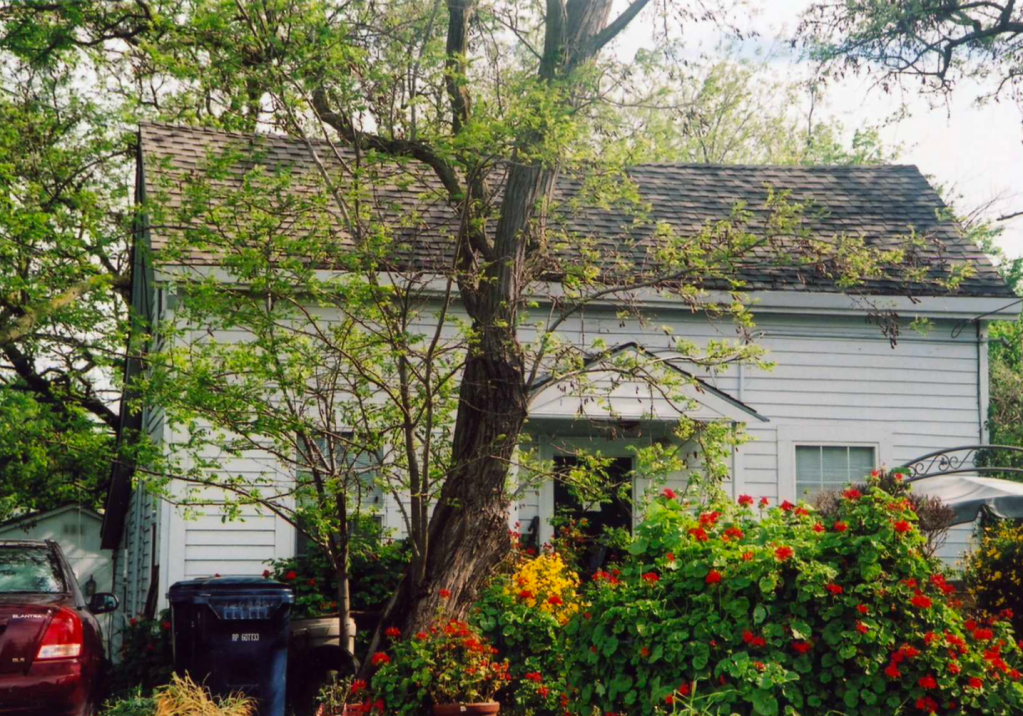
The Gold Rush and Prefab Housing
In the midst of the Gold Rush (1848-1955), the city of San Francisco transformed from a sparse settlement into a bustling hub, driving an urgent need for housing in a city with scant infrastructure. Entrepreneurs seized this opportunity by importing prefabricated (or “prefab”) houses from across the globe, including over 5,000 from New York by the fall of 1849. These early prefabs were diverse and adaptable, varying from simple, modest structures to more elaborate designs. Amid the housing boom, the city saw a mix of structures, from iron buildings prized for their fire resistance to the culturally distinct, nail-free houses from China, illustrating a fascinating phase of architectural innovation driven by necessity and ingenuity.
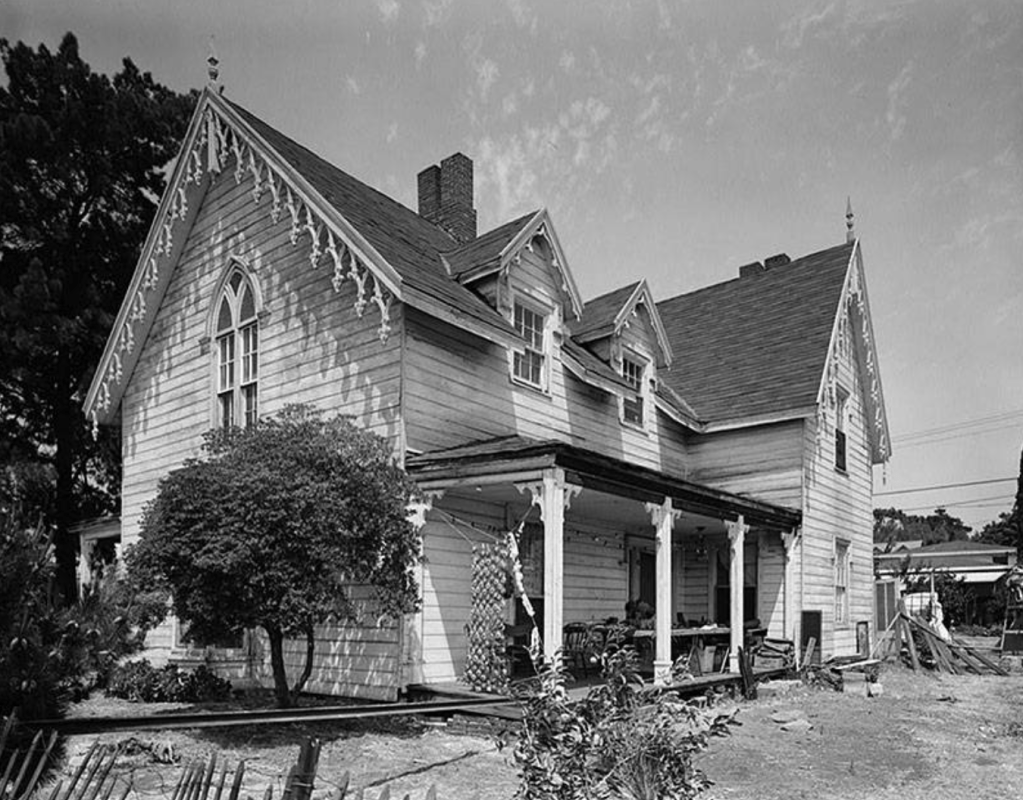
The Impact of Prefab Housing on Benicia
Benicia’s history is deeply intertwined with the concept of prefab housing, a necessity that burgeoned during the frenetic days of the Gold Rush. The city was founded in May 1847 by Robert Semple and named after General Don Mariano Guadalupe Vallejo’s wife, Benicia. The city’s strategic location, with its deep harbor and accessibility to the interior valley, poised it to be a major contender against San Francisco as a bustling metropolis. Semple, a man of vision and industrious spirit, capitalized on the town’s advantageous position by initiating ferry services and embracing prefab housing to meet the urgent demands of a growing population. This innovative housing solution, consisting of homes ordered from the East and shipped in sections around Cape Horn, expedited settlement in Benicia and helped to shape it’s architectural landscape.

 Yggdrasil Garden